November 14, 2013
CAM - Calouste Gulbenkian Foundation
Lisbon, Portugal
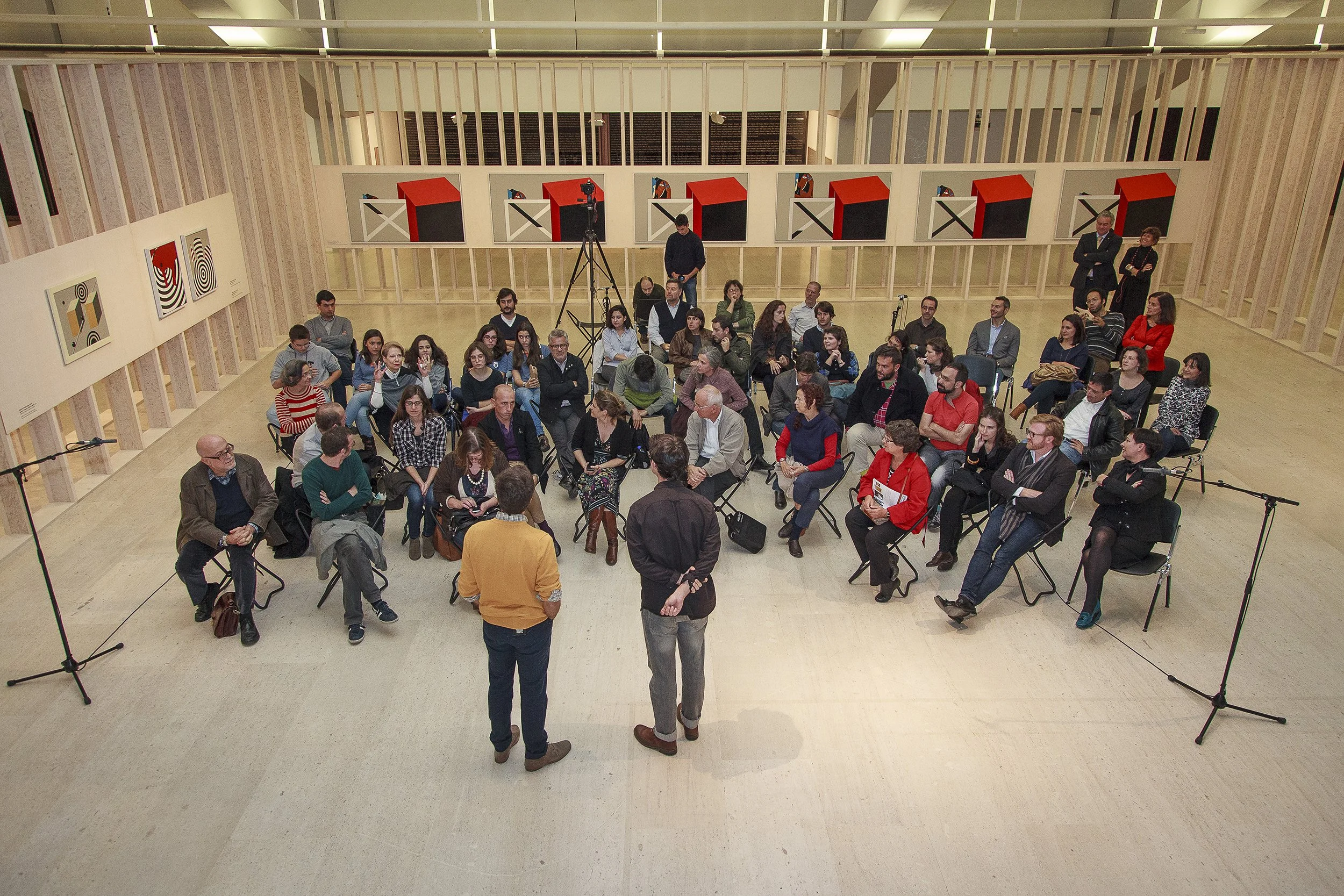
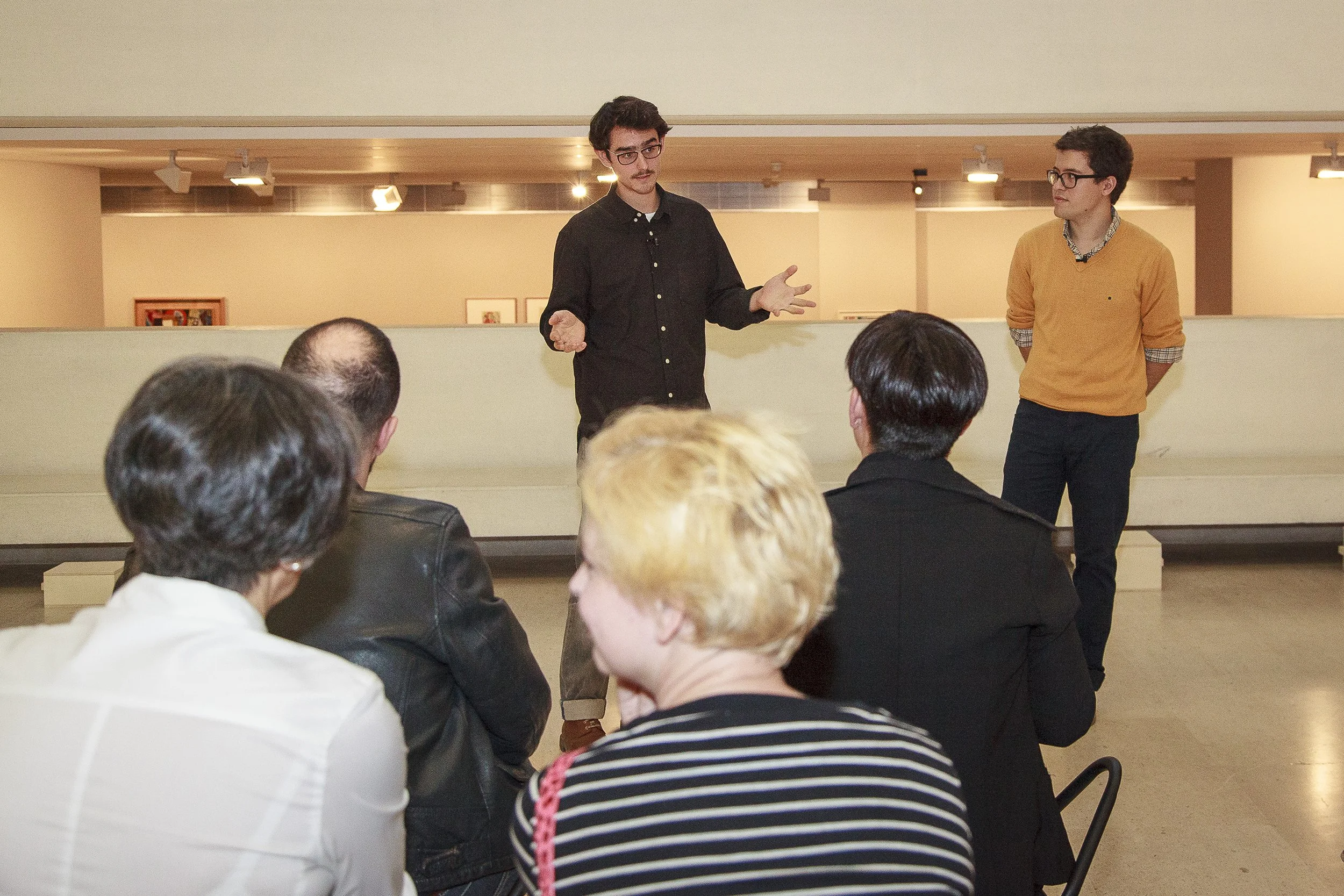
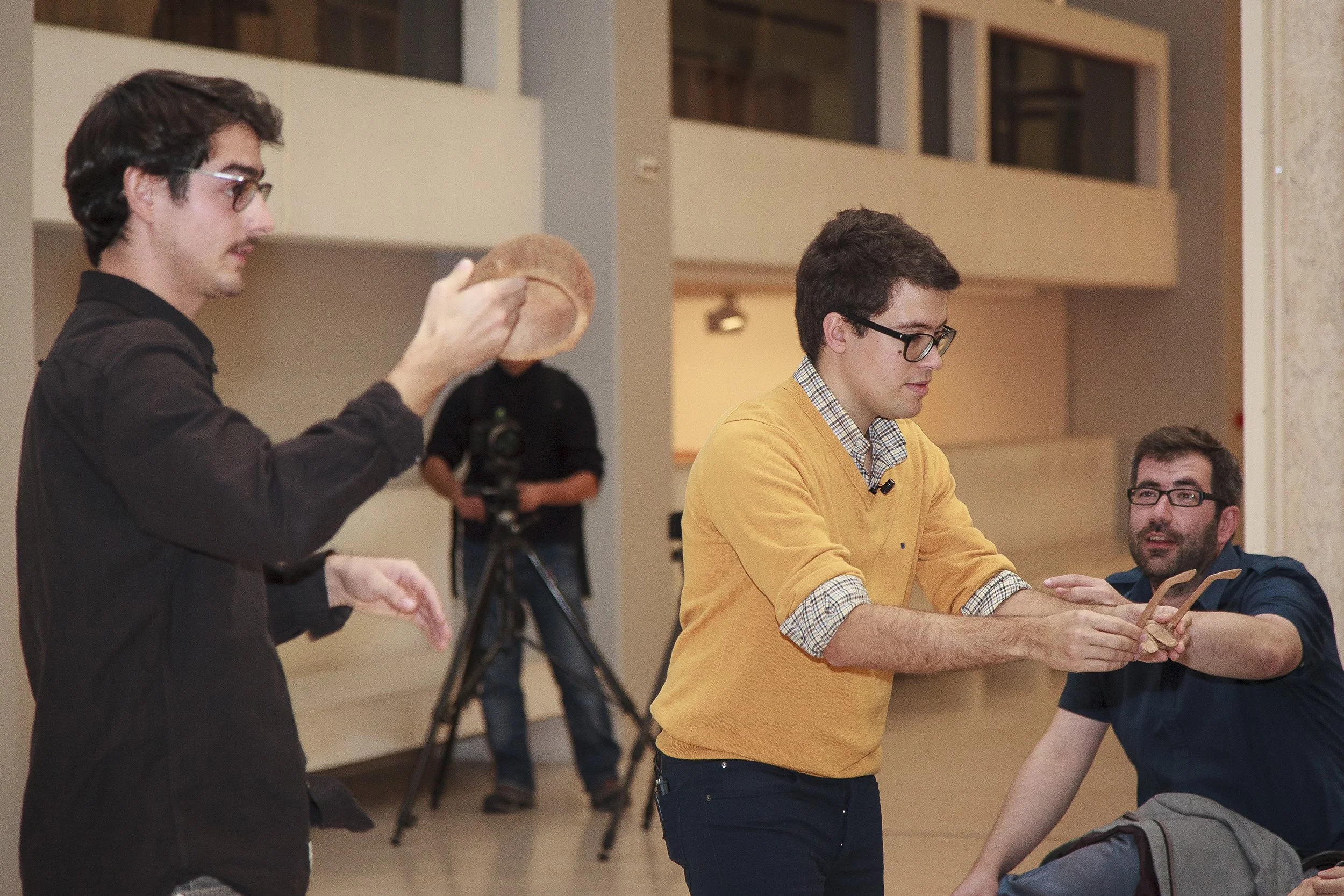
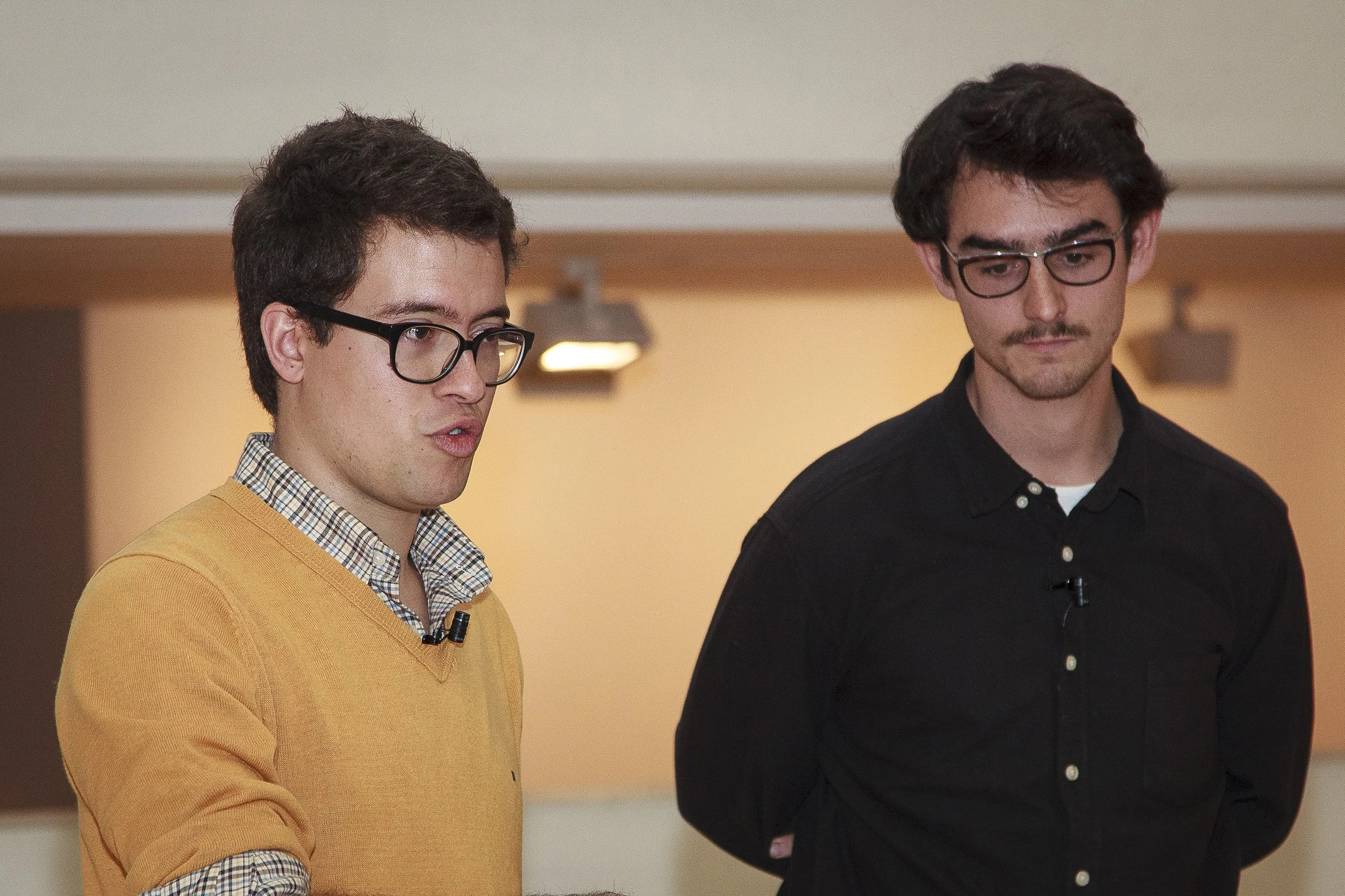
Performance
in collaboration with Tomé Coelho
Curated by Isabel Carlos and Rita Fabiana
How to Catch a Fugitive is an installation and performative project developed between São Tomé and Lisbon, and premiered at the CAM Gulbenkian. The work operates within an expanded field of film, sculpture and narrative construction, where pursuit, evasion and capture are treated less as literal actions than as speculative structures for storytelling.
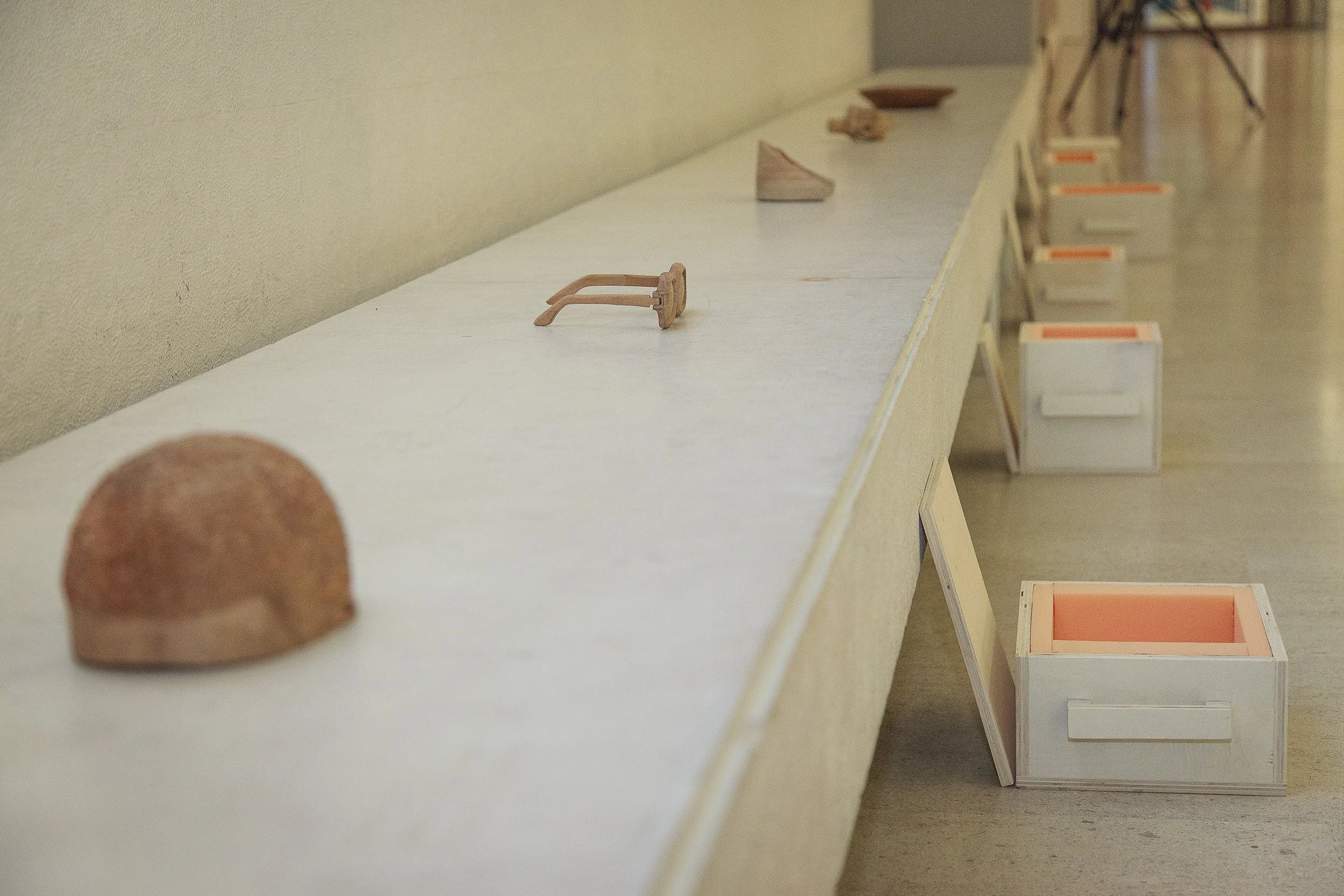
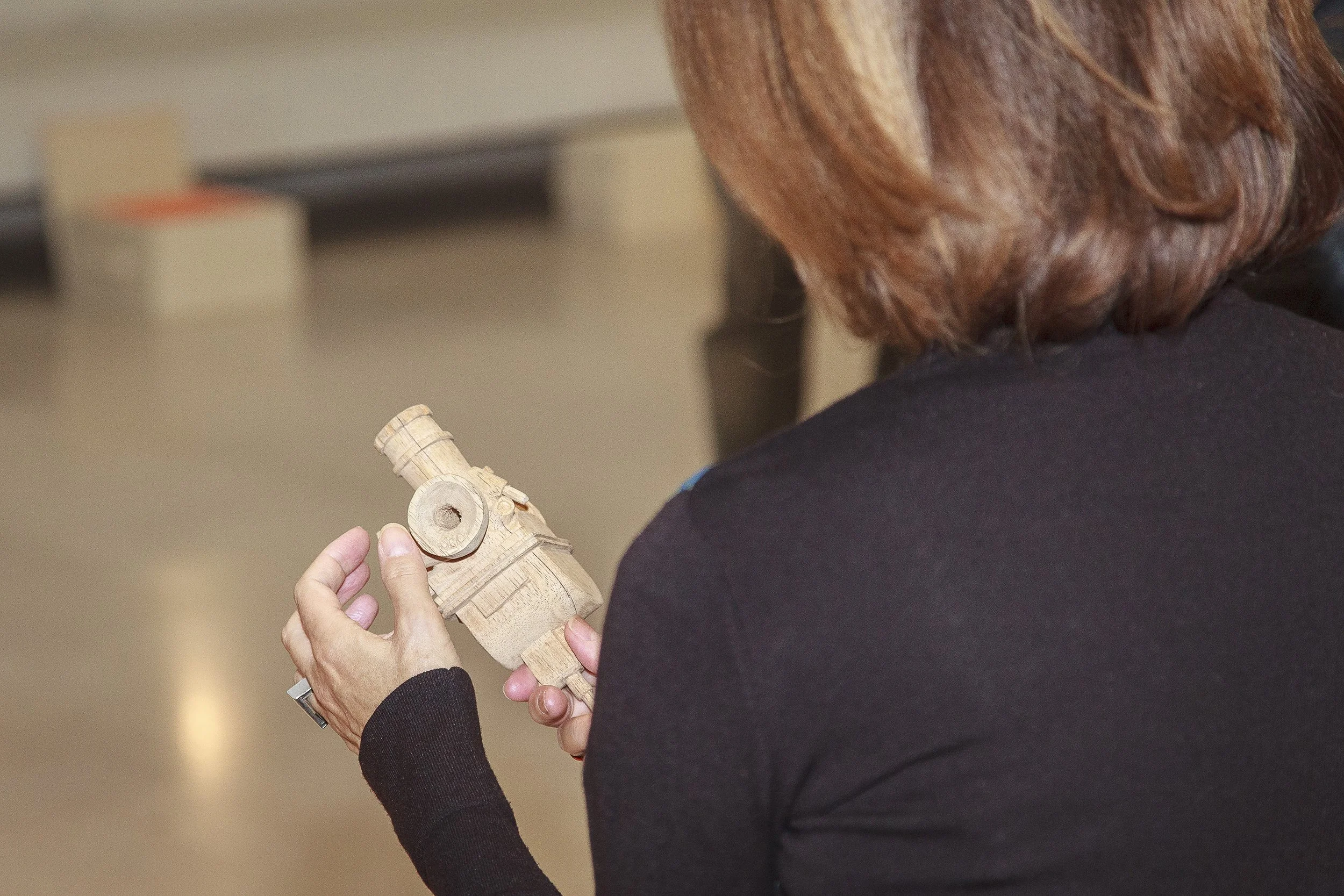
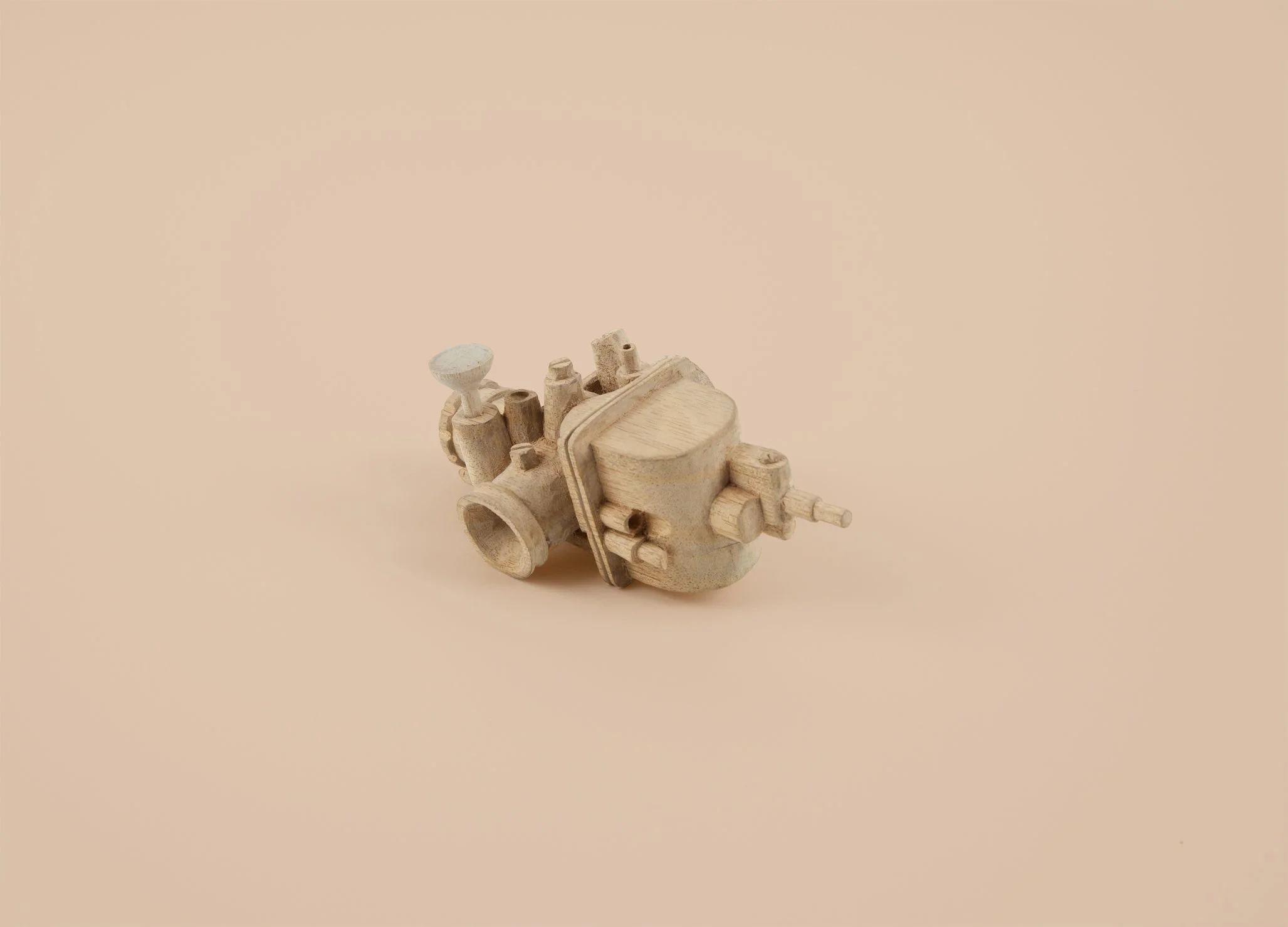
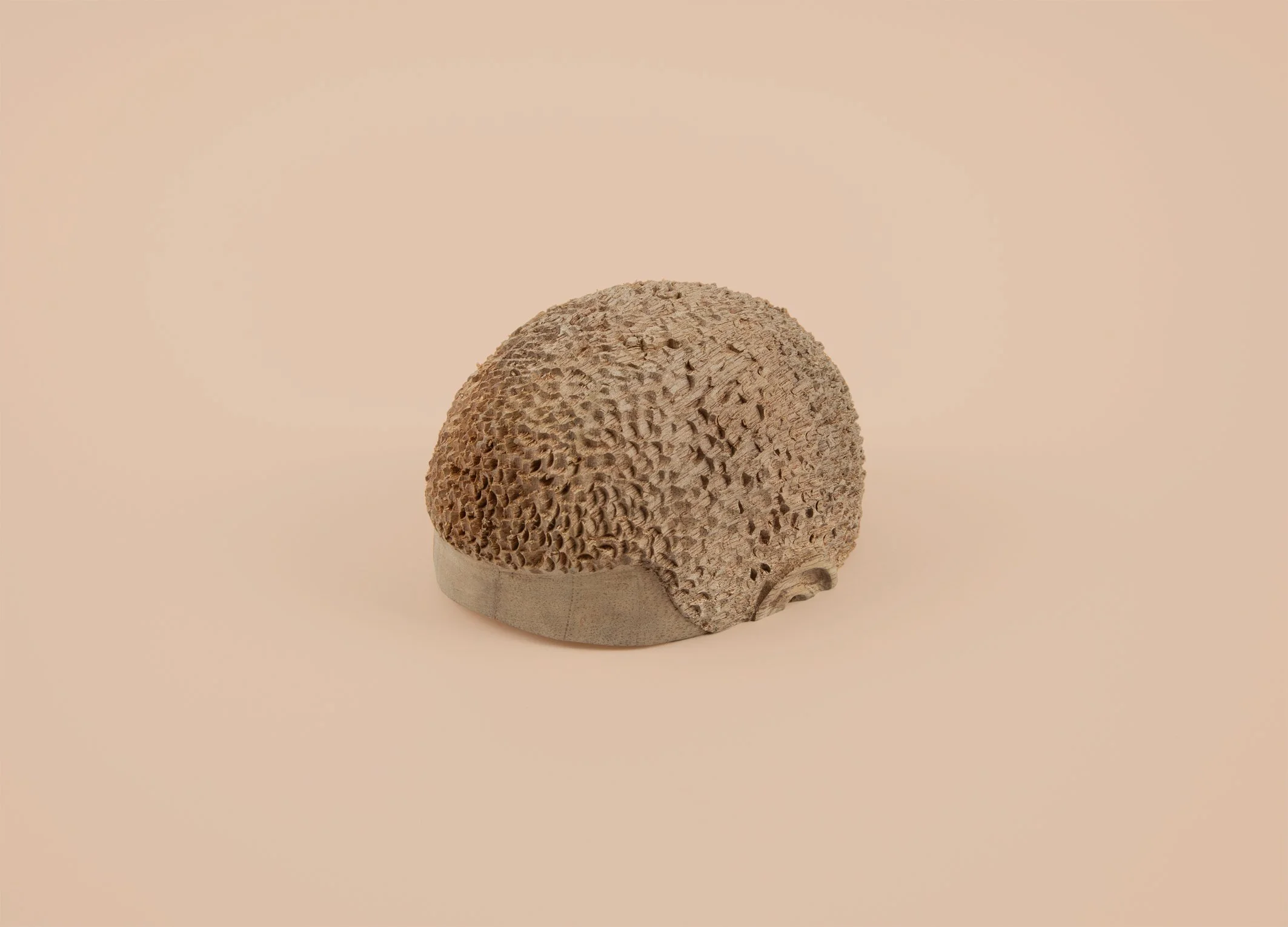
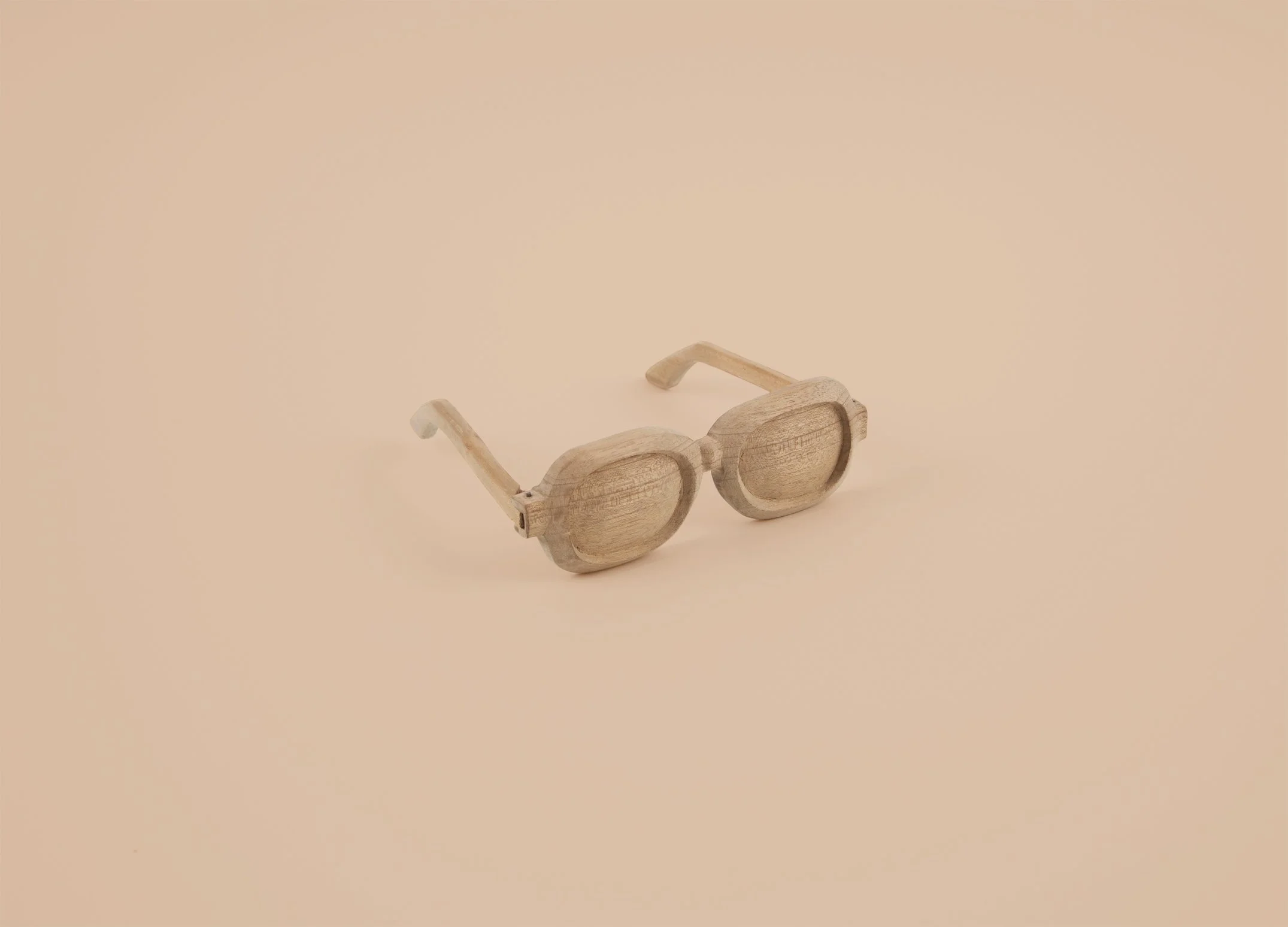
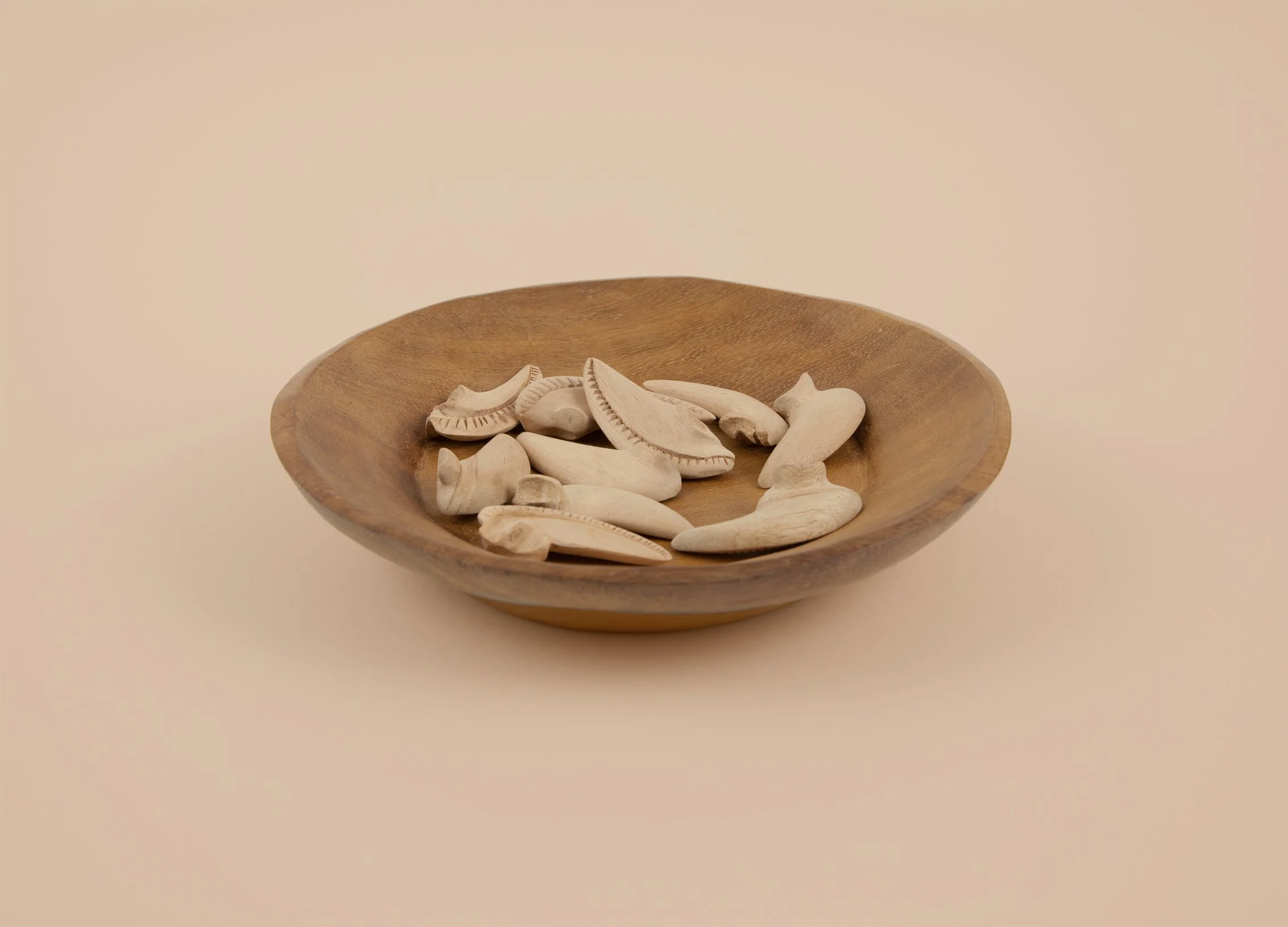
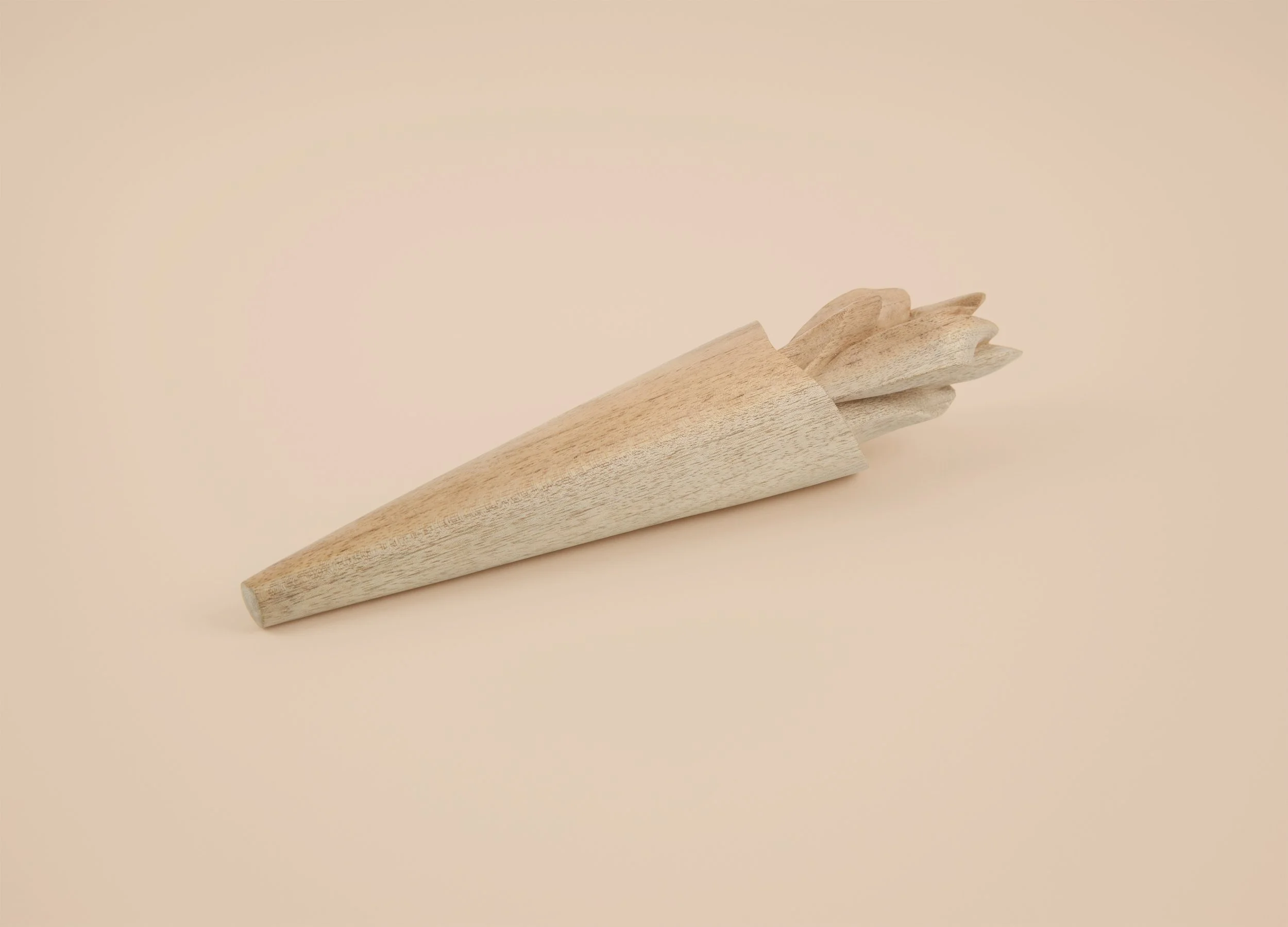
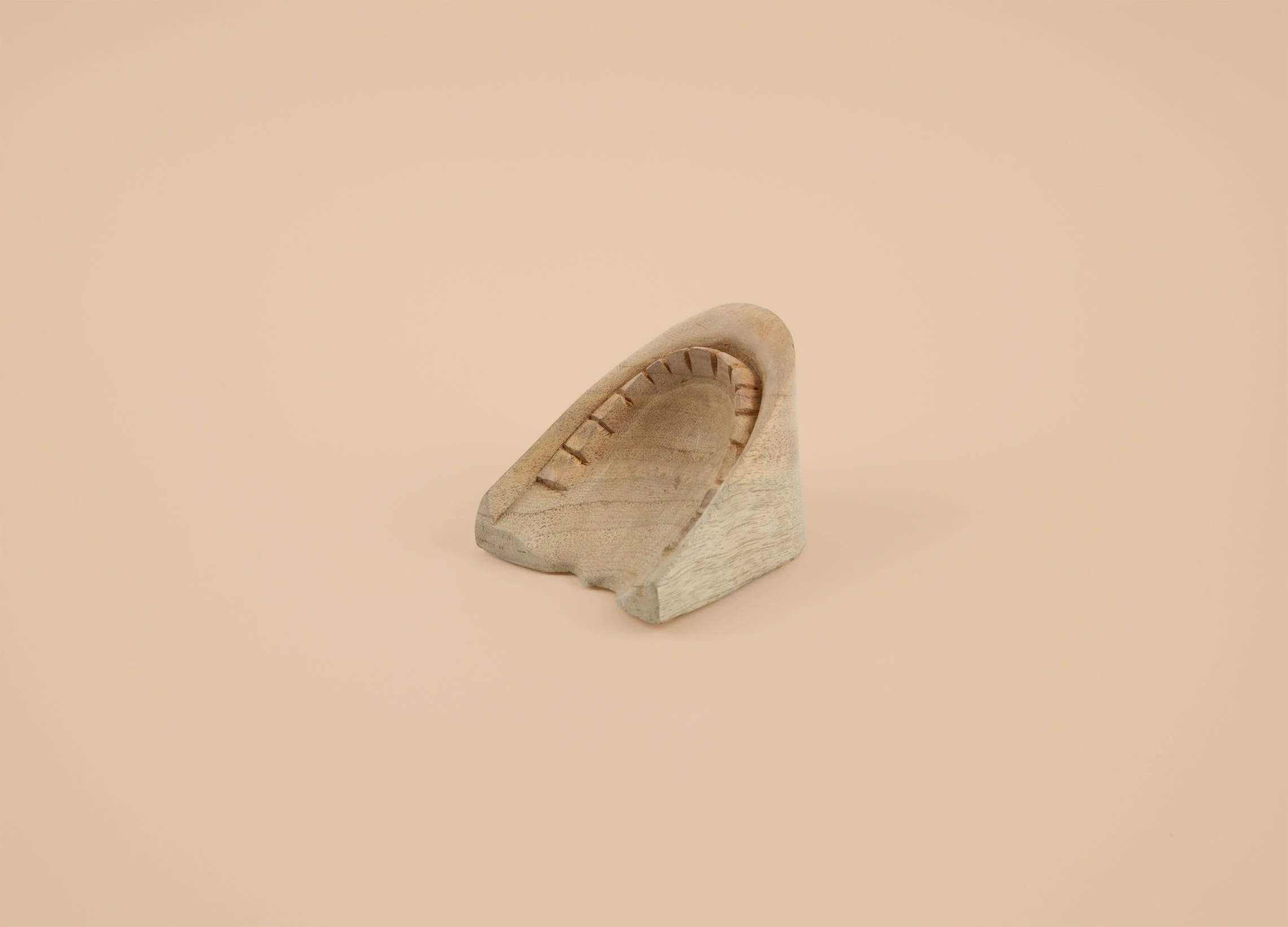
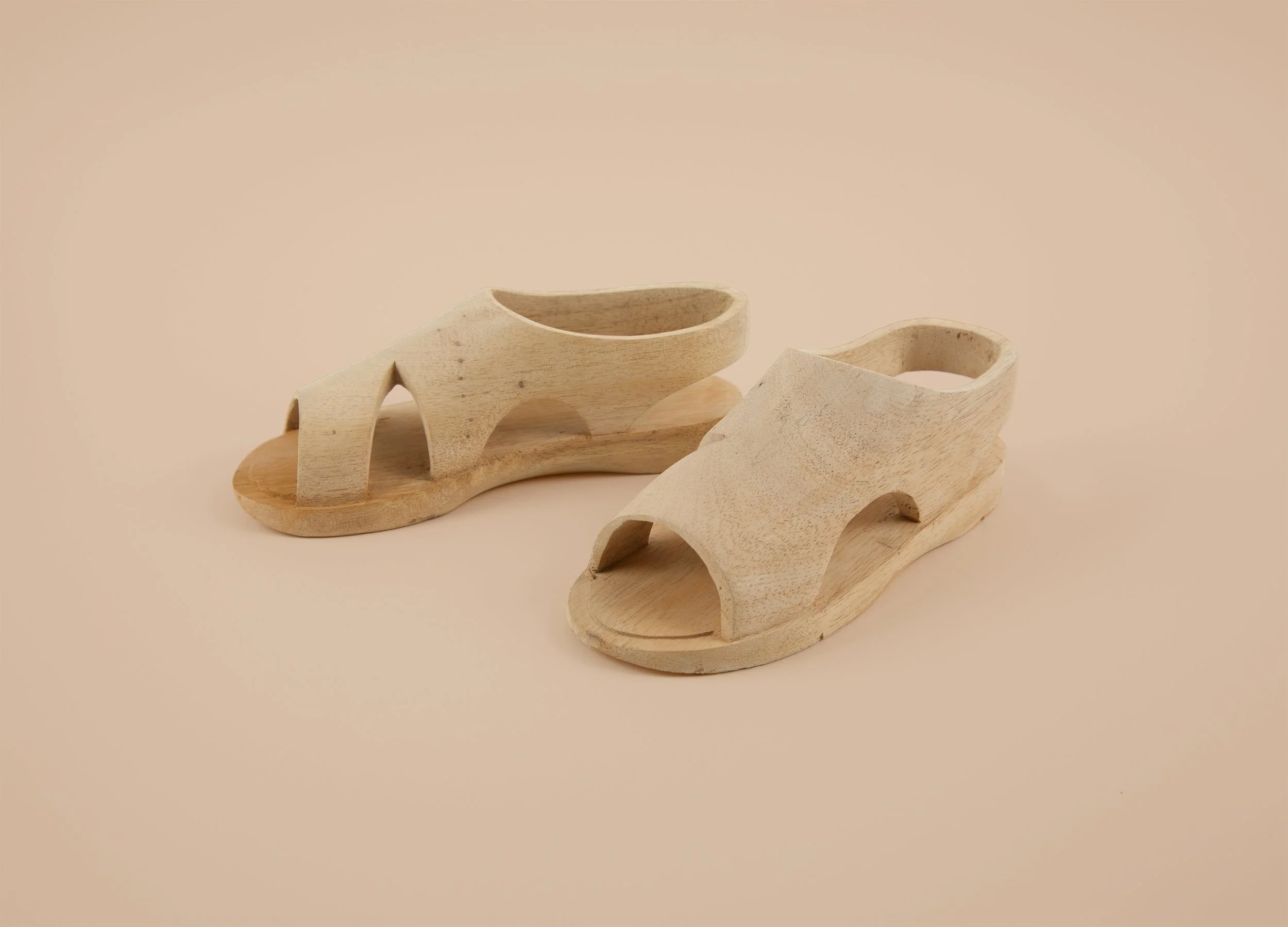
At its core, the project is articulated through a series of wooden sculptures made by sculptor Tomé Coelho. These objects function as tools for storytelling: totems that act simultaneously as supports, markers and narrative triggers. Rather than illustrating a narrative, they are conceived as instruments through which narrative can be activated, interrupted or reconfigured.
Installed as a constellation rather than a linear sequence, these sculptural elements suggest a system of cultural and symbolic mediation in which the act of telling is materially grounded. Their form evokes both utilitarian objects and ritual devices, occupying a space between tool, sign and ancestral figure.
The figure of the fugitive operates as a conceptual axis throughout the project. It is not defined as a character, but as a shifting condition of presence and absence — something produced through the very systems that attempt to locate or contain it. In this sense, pursuit becomes a method of narration: fragmented, indirect and perpetually incomplete.
Developed between São Tomé and Lisbon, the work reflects a geography of displacement and return, where materials, gestures and narratives circulate between contexts. The exhibition space becomes a field of transmission in which objects behave as carriers of stories rather than fixed meanings.
Rather than resolving the fugitive figure, the installation sustains its instability, allowing storytelling to emerge as a material and performative process anchored in wooden forms, spatial arrangement and collective imagination.
Musa paradisiaca is a collaborative art practice exploring sculpture, installation and interdisciplinary projects. We work collectively to create experiences that blur boundaries between mediums, ideas and audiences.
"Taxonomy can no longer serve as a measure of truth".