CRAC Alsace,
Altkirch, France
Group exhibition
Curated by Elfi Turpin
and Filipa Oliveira
Der Leone Have Sept Cabeças is a group exhibition presented at CRAC Alsace, curated by Filipa Oliveira and Elfi Turpin. The exhibition brings together a large constellation of artists and works organised as a polyphonic and unstable structure, explicitly conceived as a “seven-headed lion”: a single body composed of multiple, divergent voices.
Within this framework, the exhibition departs from a reflection on language, its breakdown and reinvention. The starting point is the story of two twins who invented a private language unintelligible to others, positioning linguistic invention and miscommunication as central thematic axes.
Rather than treating language as a transparent system, the exhibition approaches it as a site of disruption, invention and fictionalisation.
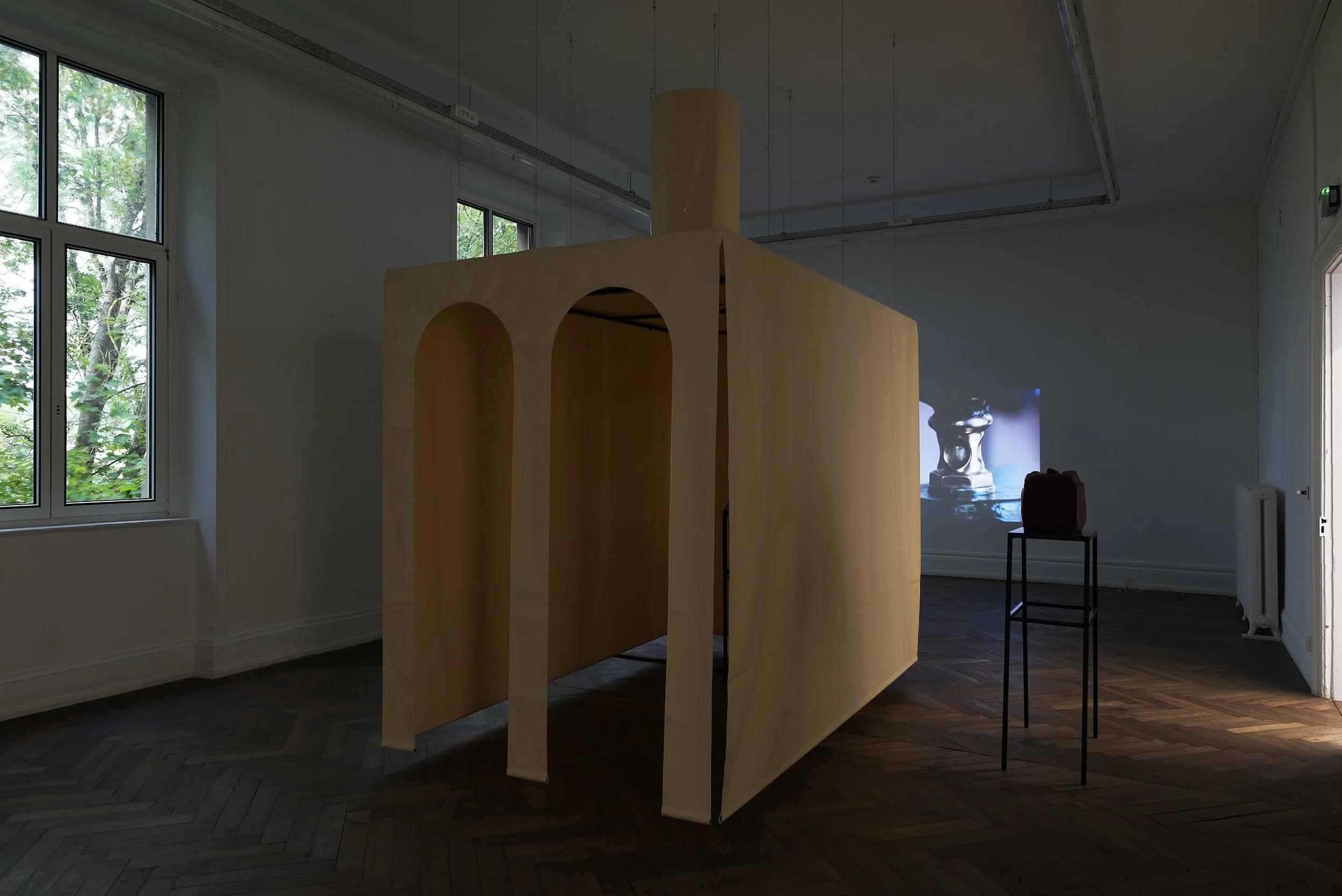
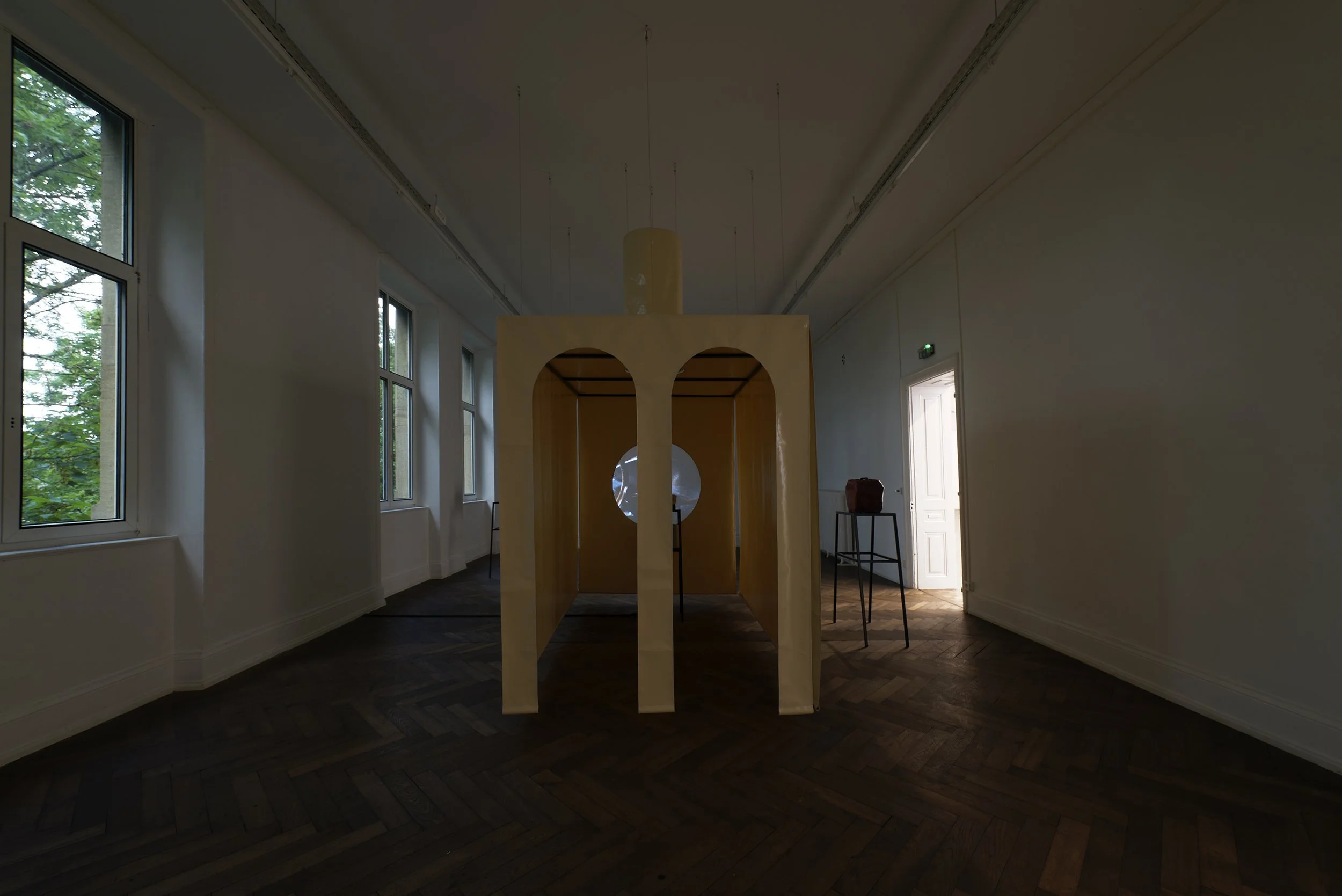
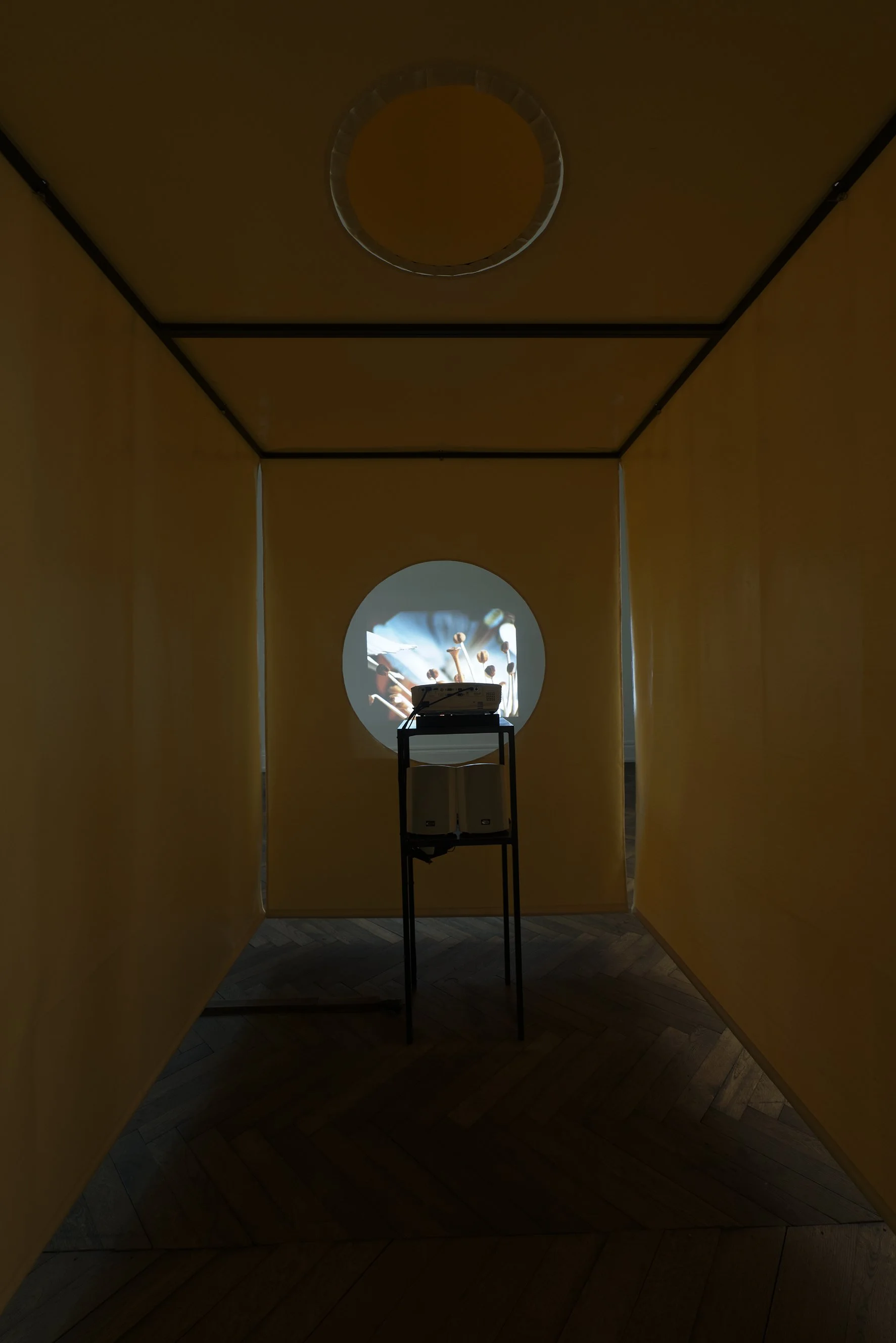
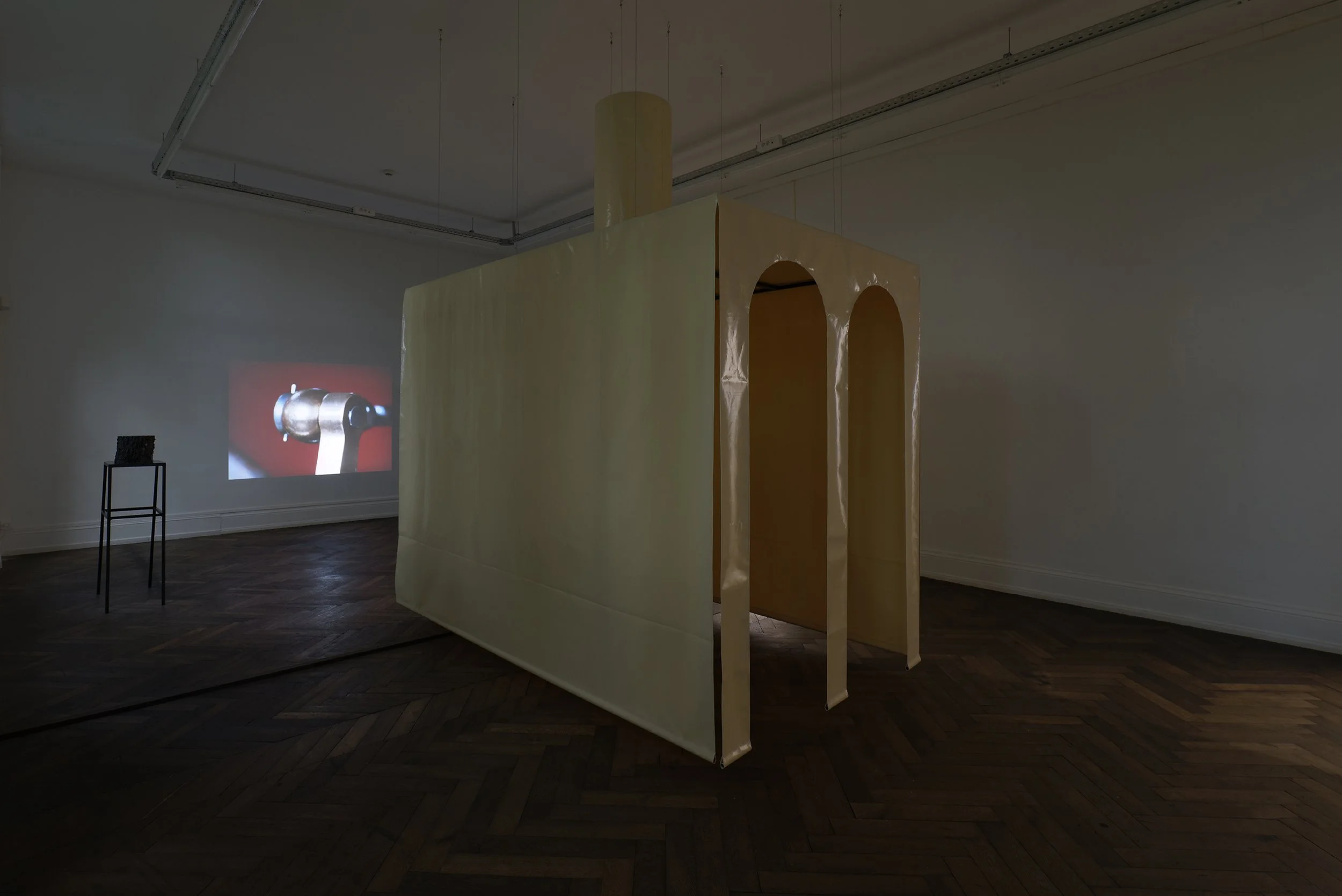
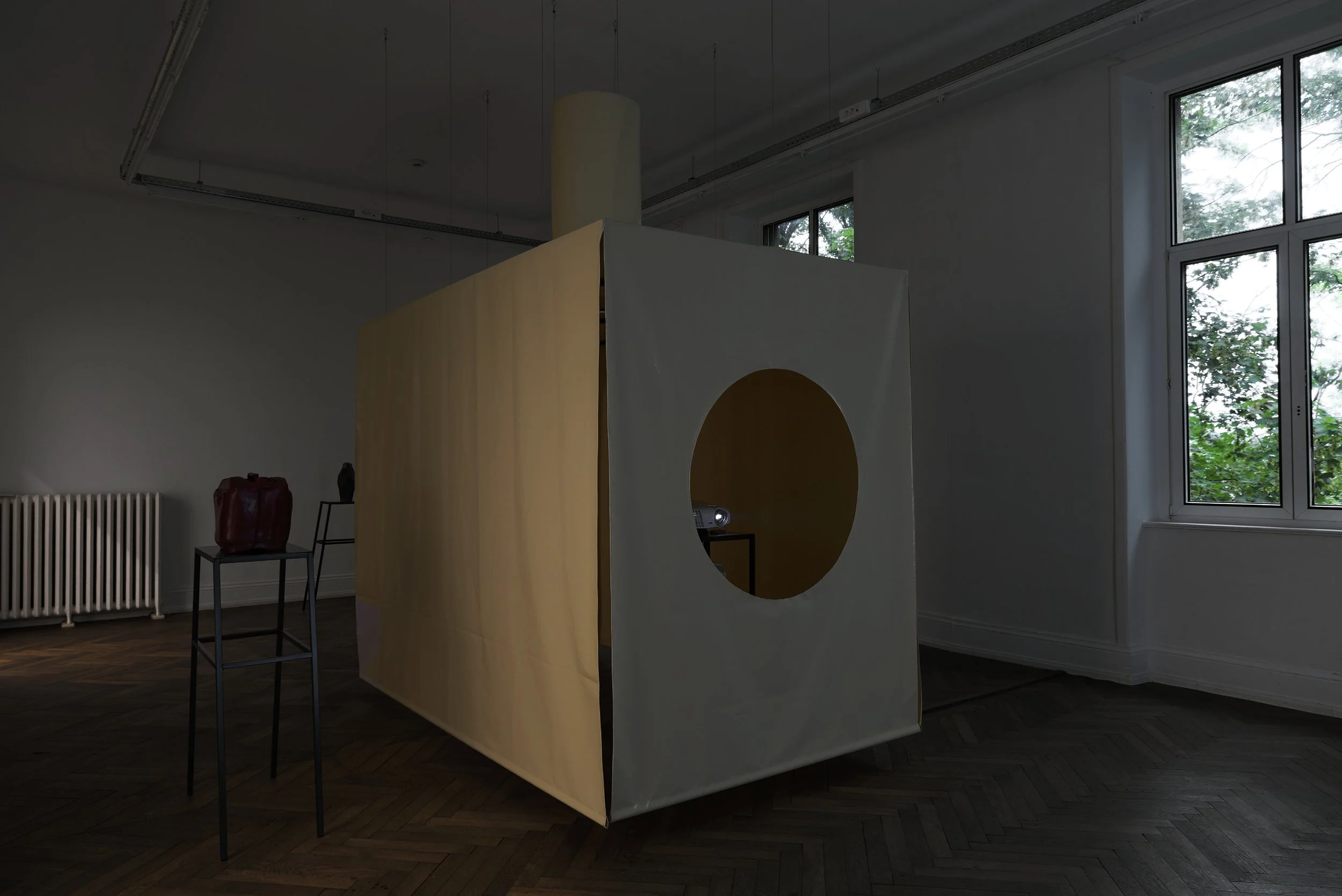
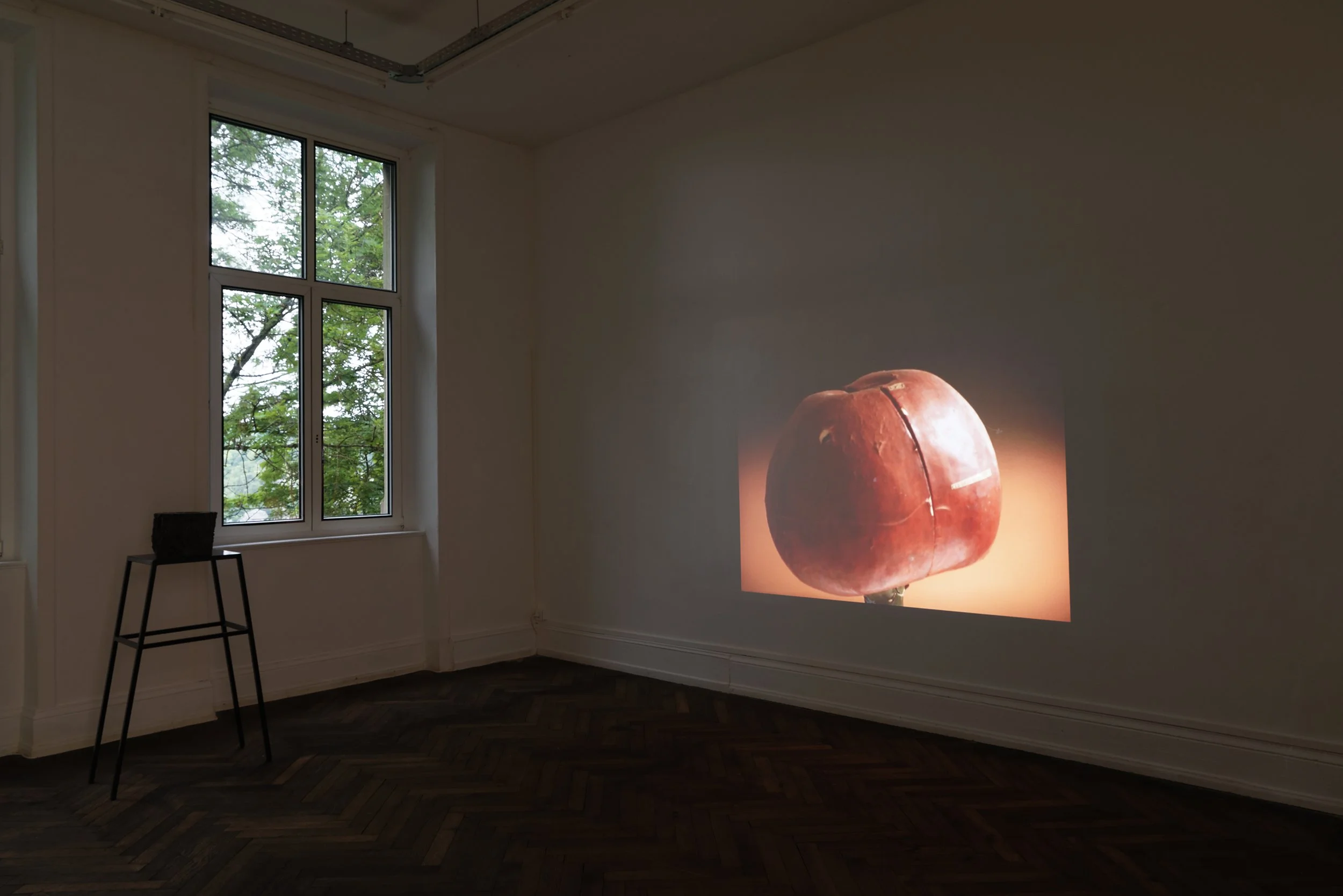
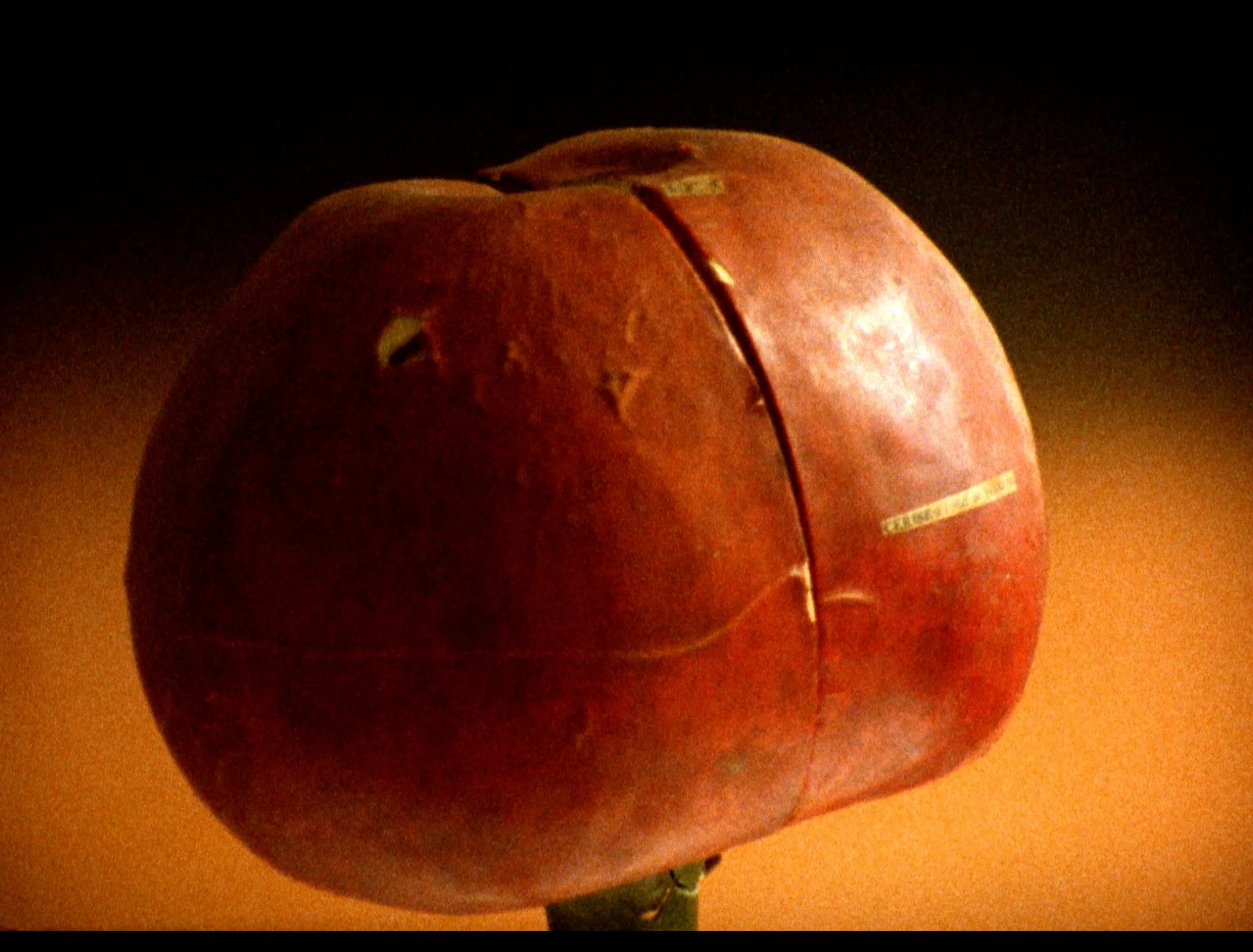
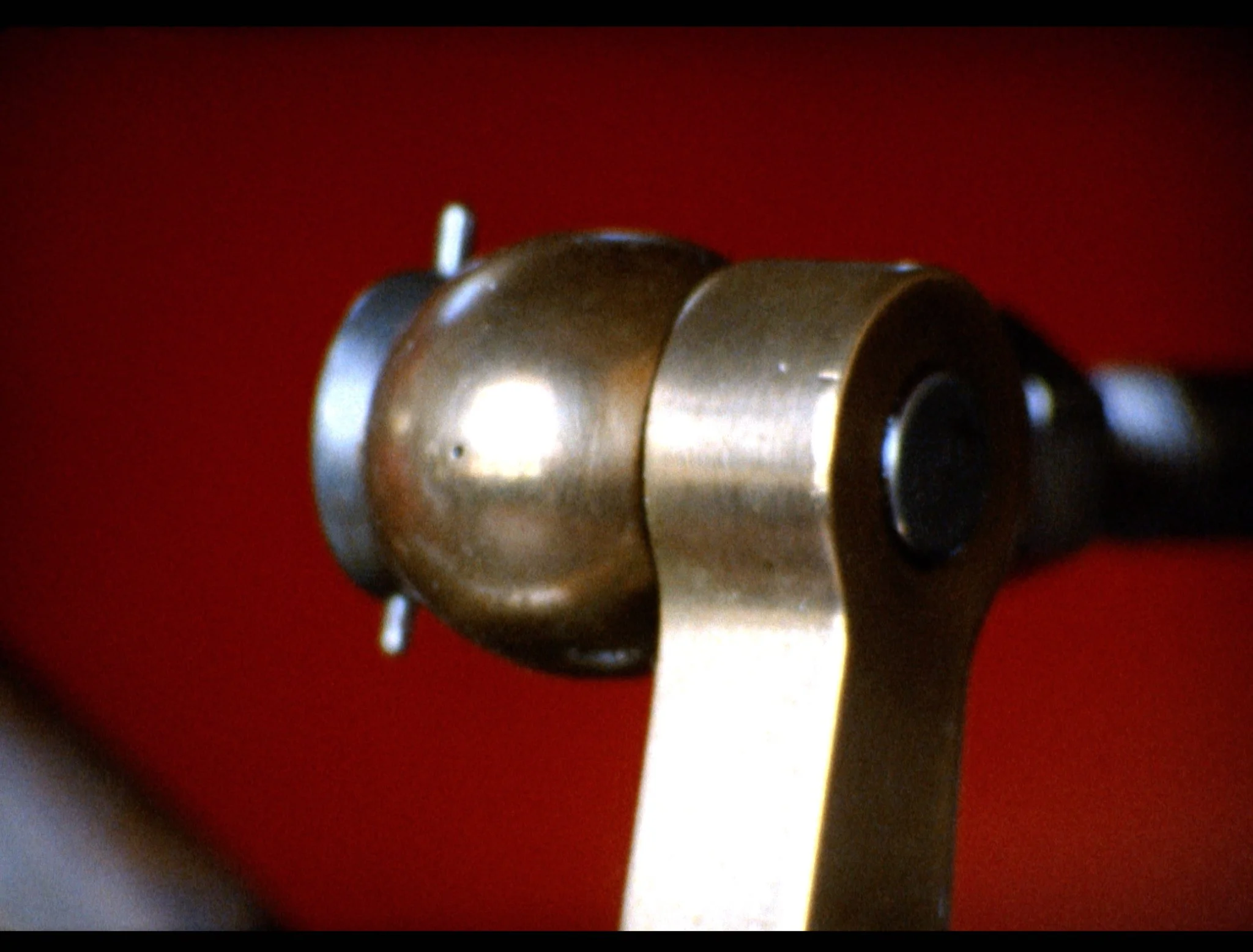
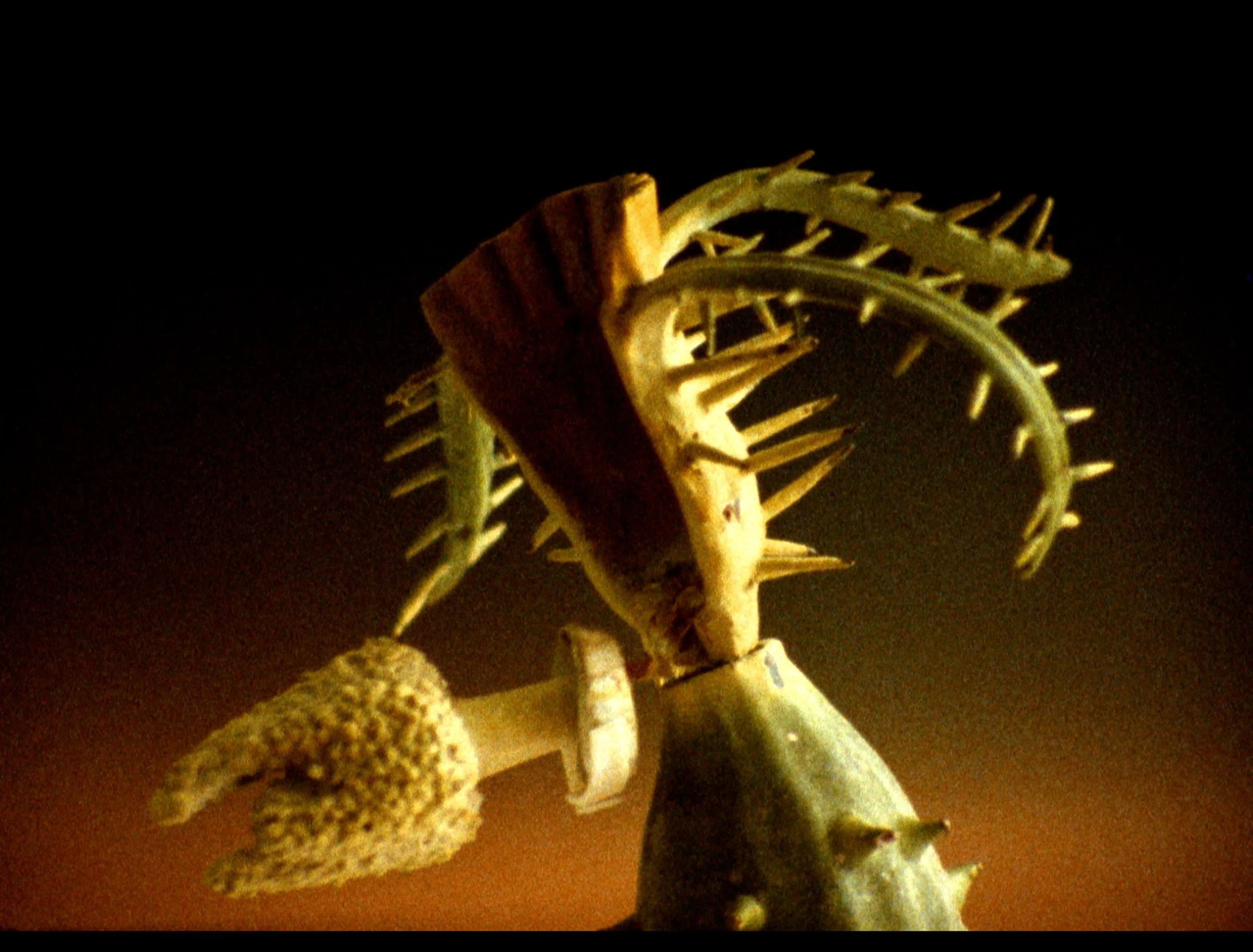
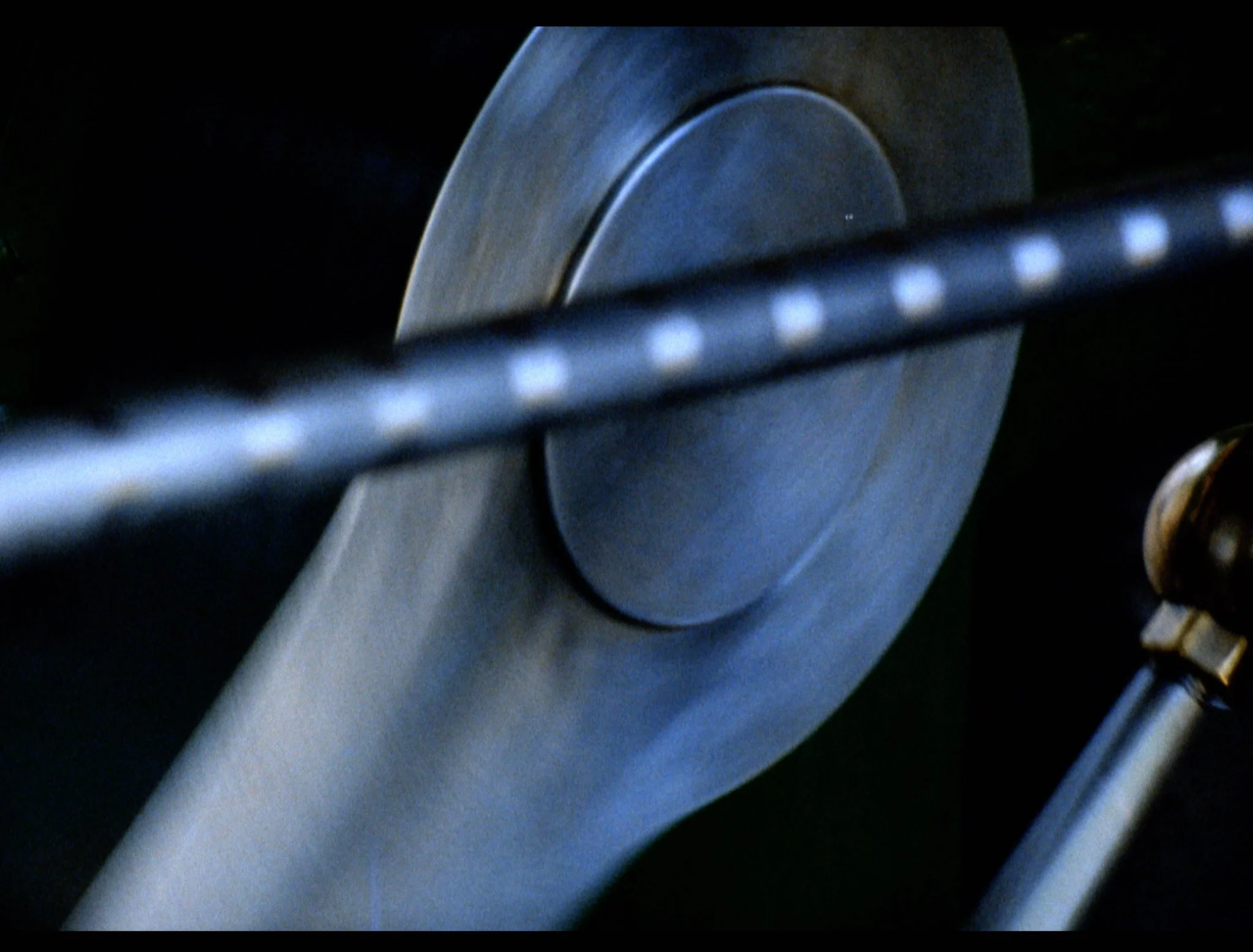
It is within this exhibition that Ecstasy and Eden was first presented — a film that stages the dream of a steam machine. In the film, the machine enters a hallucinatory state in which it dreams of flowers, dissolving the boundary between industrial mechanism and vegetal imagination.
The film constructs a world where machinery is no longer inert or functional, but capable of desire, fantasy and sensory transformation. Through this oneiric logic, mechanical elements become animated entities, caught in a cycle of perception, exhaustion and hallucination.
Across the exhibition, works operate within this broader logic of linguistic and material instability, where meaning is not fixed but continuously displaced across voices, objects and narratives. The “seven-headed lion” becomes both structure and metaphor: a figure of collective authorship, fragmentation and simultaneous articulation.
Rather than proposing a unified exhibition narrative, Der Leone Have Sept Cabeças functions as a discursive machine in which different artistic positions intersect, interfere and reconfigure one another, producing a field of continuous translation between speech, image and object.
Musa paradisiaca is a collaborative art practice exploring sculpture, installation and interdisciplinary projects. We work collectively to create experiences that blur boundaries between mediums, ideas and audiences.
"Taxonomy can no longer serve as a measure of truth".